Interactive Notes Are What Happens When the Notebook Talks Back
The old version of a field notebook was simple enough: see something, write it down, hope it makes sense later.
The modern version can get weird in a useful way.
At Richmond VegFest, Jimmy was walking through the park taking photos, talking through what he noticed, asking for quick recon, and letting one observation connect to another while the session was still happening. The interesting part was not that an AI system could transcribe words or summarize a pile of notes after the fact. That is useful, but it is not the new behavior.
The useful thing was that the notes could be engaged while they were being created.
That is the idea I would call Interactive Notes. And yes, at some point I will almost certainly ruin this perfectly understandable phrase by productizing it and calling it Live Note Intelligence, because apparently "I took a picture and talked about it" was not wearing enough of a lanyard.
Not Just Capture
Most note systems are built around capture first and retrieval later.
Take the picture. Save the voice memo. Drop the thought into an inbox. Maybe tag it. Maybe forget it exists until the app sends a notification that makes you feel briefly judged by software.
That pattern can work, but it leaves a gap. The note often does not become meaningful until later, and later is exactly when the surrounding context starts to fade. Why did this booth matter? What was said right before the photo? What did the sign make you think of? Was this just documentation, or was there a thread here?
The VegFest session showed a different loop:
- capture
- converse
- enrich
- connect
- continue
That is the real move. The note is not just saved. It is worked with immediately.
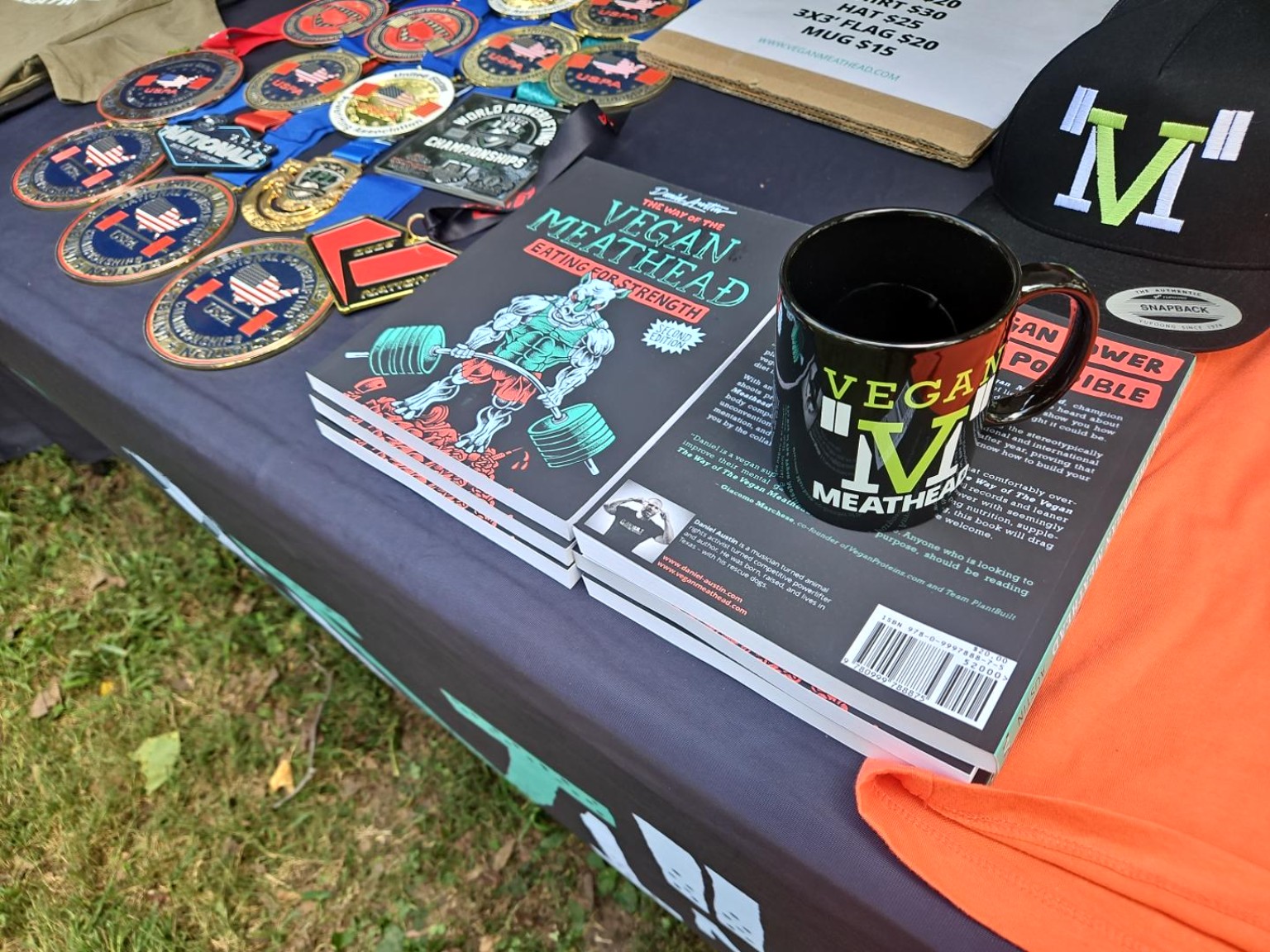
Photo Plus Conversation Plus Recon
The best example was the Vegan Meathead booth.
A normal photo library would keep the image, date, and maybe location. That is fine as a memory object, but it is thin as a thinking object.
Inside an Interactive Notes session, the same photo became a richer object:
- the original booth image
- Jimmy's reason for noticing it
- visible details in the frame
- immediate identification and research
- the Daniel Austin / Vegan Meathead thread
- the connection between vegan identity and strength culture
- the editorial insight that the medals beside the book made the argument visually
The photo stopped being IMG_something.jpg and became a usable node in a second brain.
That matters because most knowledge work does not start as clean knowledge. It starts as "that thing over there is interesting." If the system can help you stay with that moment long enough to add meaning, you get more than a file. You get a context object.
The Note Includes What Happened Around It
The important layer is not only sequence. Sequence helps, but sequence alone is not enough.
A strong field note includes what was happening around the capture:
- what came before it in the conversation
- what the person said while sharing it
- what the image visibly contains
- what quick research adds
- what earlier captures it relates to
- what future use it suggests
That is why the session kept producing connections.
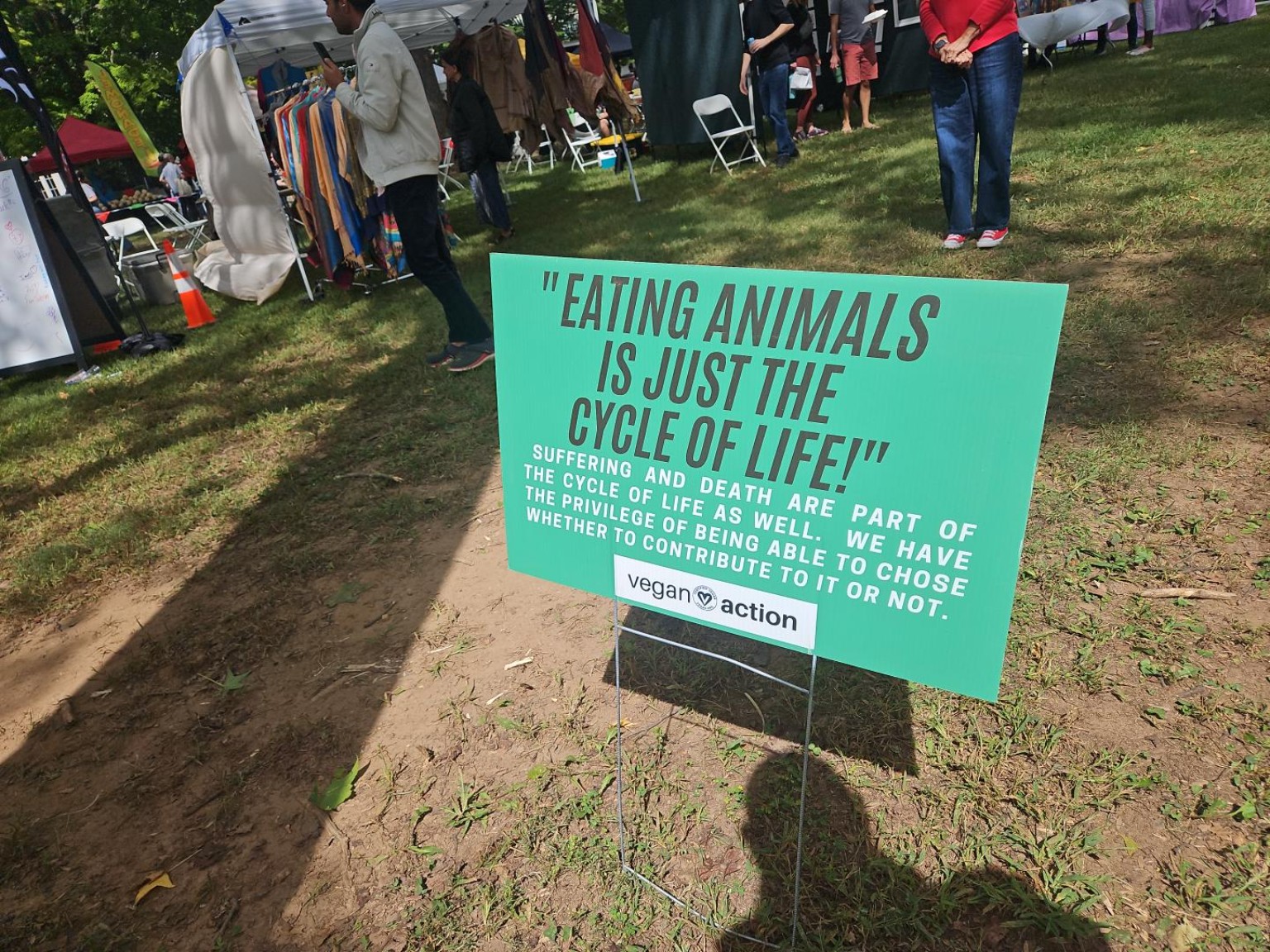
A Vegan Action sign about the "cycle of life" was not just a sign. It became an ethics and context note.
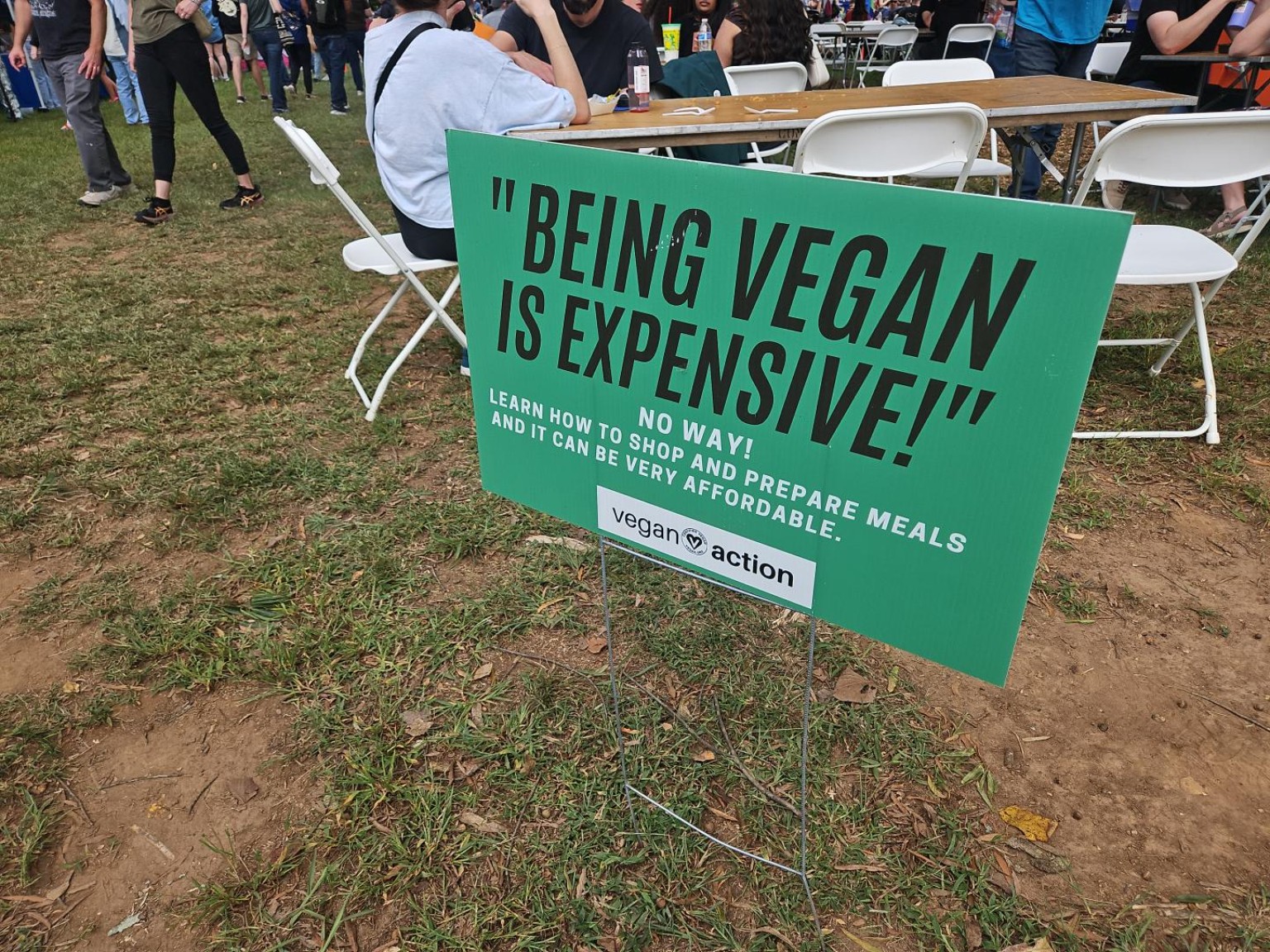
A separate affordability sign was not just advocacy material. It became a practical barrier signal: the assumptions around vegan food, cost, access, and behavior.
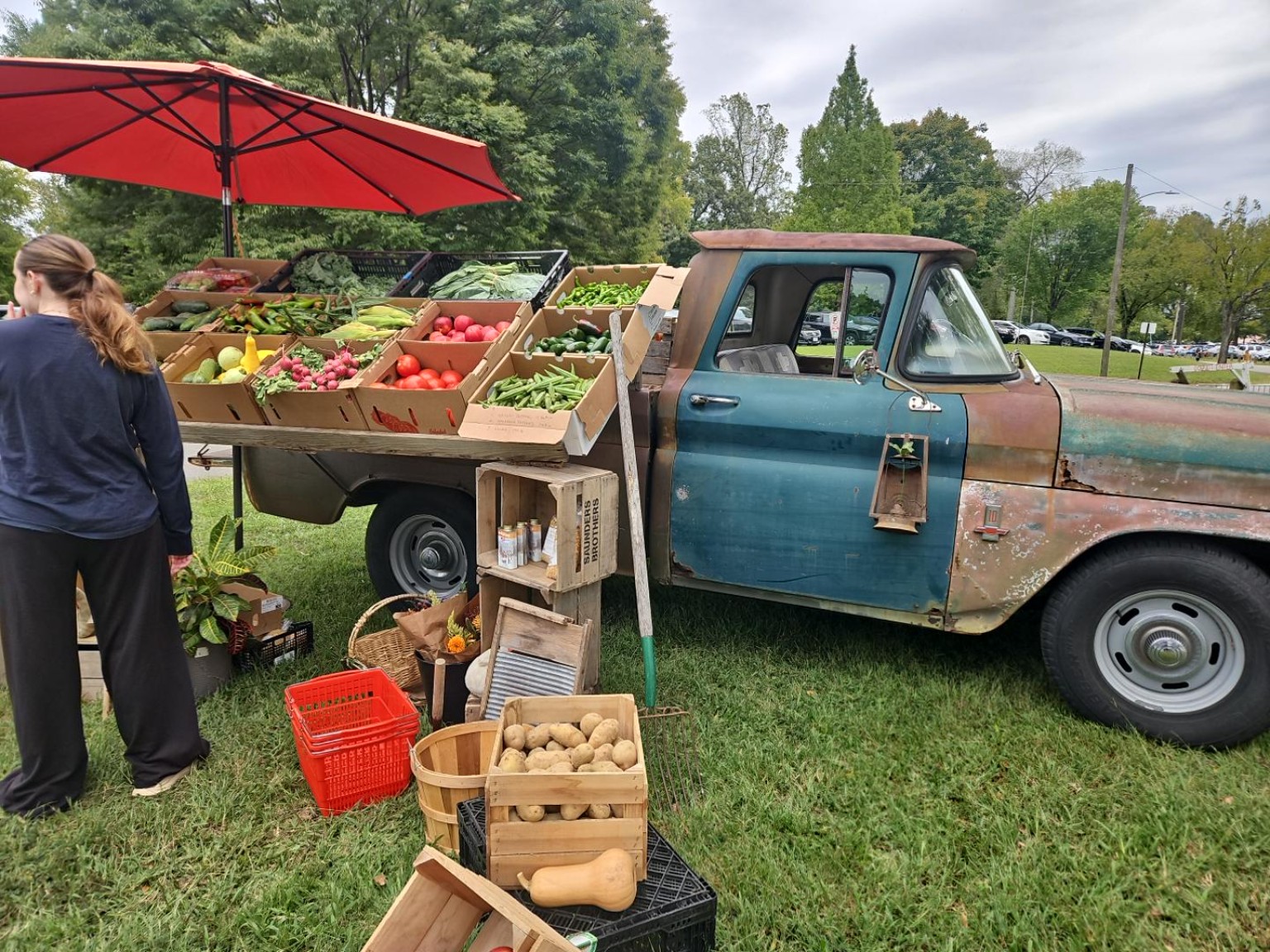
A vintage pickup used as a produce stand connected back to an earlier motorized-bike observation about old forms gaining new purpose. The field session noticed the pattern in motion.
The Easterday Mushroom Company images created a different kind of note: brand identification, products, prices, and a research trail worth returning to.
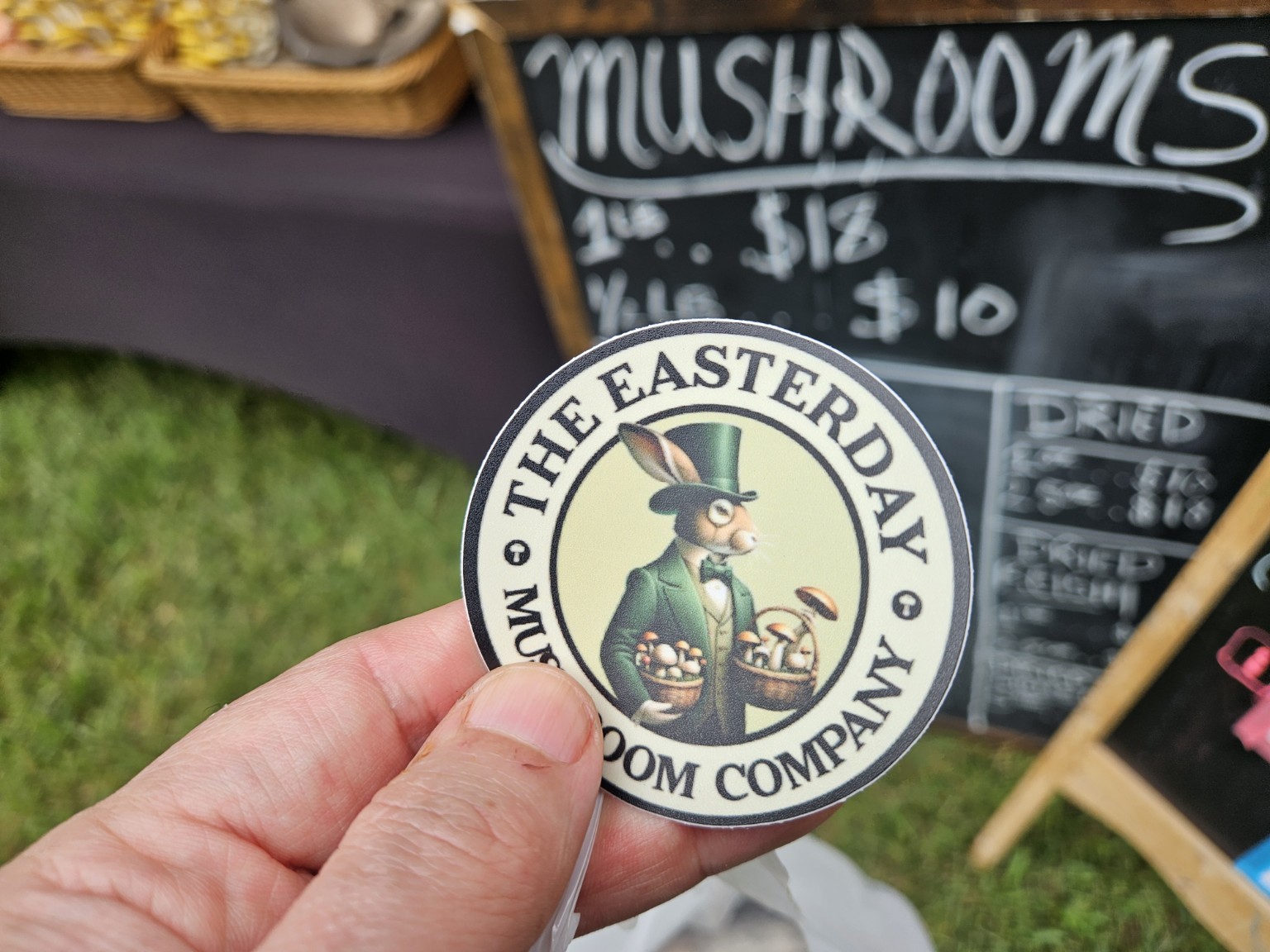
None of that requires claiming the workflow is brand new. People already take photos, record voice notes, talk to AI, save links, and keep second brains. The distinction is the complete loop.
The second brain participates during capture.
Why This Belongs In A Second Brain
A second brain is often described as a place to store knowledge. That framing is useful, but too passive.
The better question is: how does useful context enter the system while it is still alive?
If a note waits too long before it becomes structured, the human has to reconstruct everything later. That is expensive. You have to remember the point, the feeling, the connection, the question, the next step, and the reason you cared in the first place.
Interactive Notes reduce that reconstruction tax.
Instead of:
photo + timestamp
you get something closer to:
photo + observation + conversation + research + interpretation + relationships + future use
That is much more useful to a second brain because the note arrives with handles. It has identity. It has edges. It has enough context for a human, writer, agent, or future project to pick it up without starting from zero.
The Workflow Comes Before The Tool
The stack used in the field happened to be a phone, photos, conversational AI, and a running session. That stack is not the point.
This could be done with an iPhone, Android phone, wearable camera, voice recorder, different AI model, different note system, or a future tool that makes the whole thing less fiddly. The tool choice matters, but it comes second.
The workflow is the durable idea:
1. Notice something in the world. 2. Capture the image, voice, or artifact. 3. Talk through why it matters. 4. Let the system enrich it with visible detail or research. 5. Connect it to earlier notes and emerging themes. 6. Preserve it so future work starts further downstream.
That is why the field-capture friction matters so much. If taking the photo, adding voice, and keeping the context together requires too many taps, the behavior will not survive real life. The preferred action has to be the easy action.
Notes That Talk Back
The phrase I keep coming back to is Notes That Talk Back.
Not because the system becomes the thinker. It does not. The human still supplies judgment, taste, relevance, and direction.
The point is that the note is no longer dead storage. It can answer questions. It can ask for clarification. It can identify visible details. It can bring in useful background. It can say, "This looks related to the thing you noticed twenty minutes ago." It can help turn a passing observation into something that survives the walk back to the car.
That is the living notebook.
Capture. Converse. Connect.
And then keep going.
That last part matters. A second brain is not valuable because it hoards everything. It is valuable when it helps thought continue.