Interactive Notes Are What Happens When the Notebook Talks Back
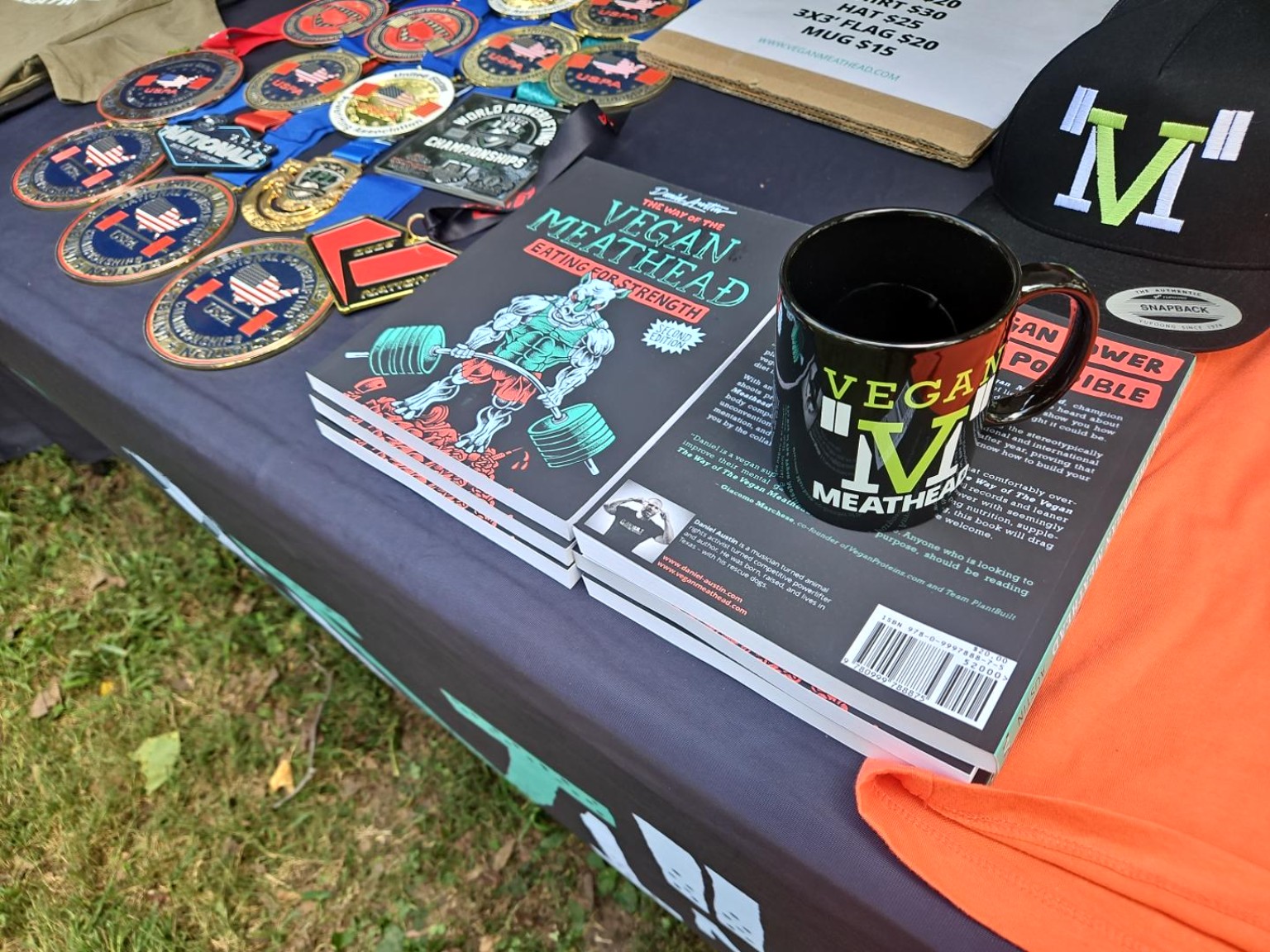
A field session at Richmond VegFest shows why useful second-brain capture is not just recording notes for later.
A field session at Richmond VegFest shows why useful second-brain capture is not just recording notes for later.
AI is often most useful before you need an answer, when a half-formed idea needs to become visible enough to inspect.

A University of Tokyo study is a useful signal for Second Brain design: memory improves when notes keep shape, place, and retrieval cues.
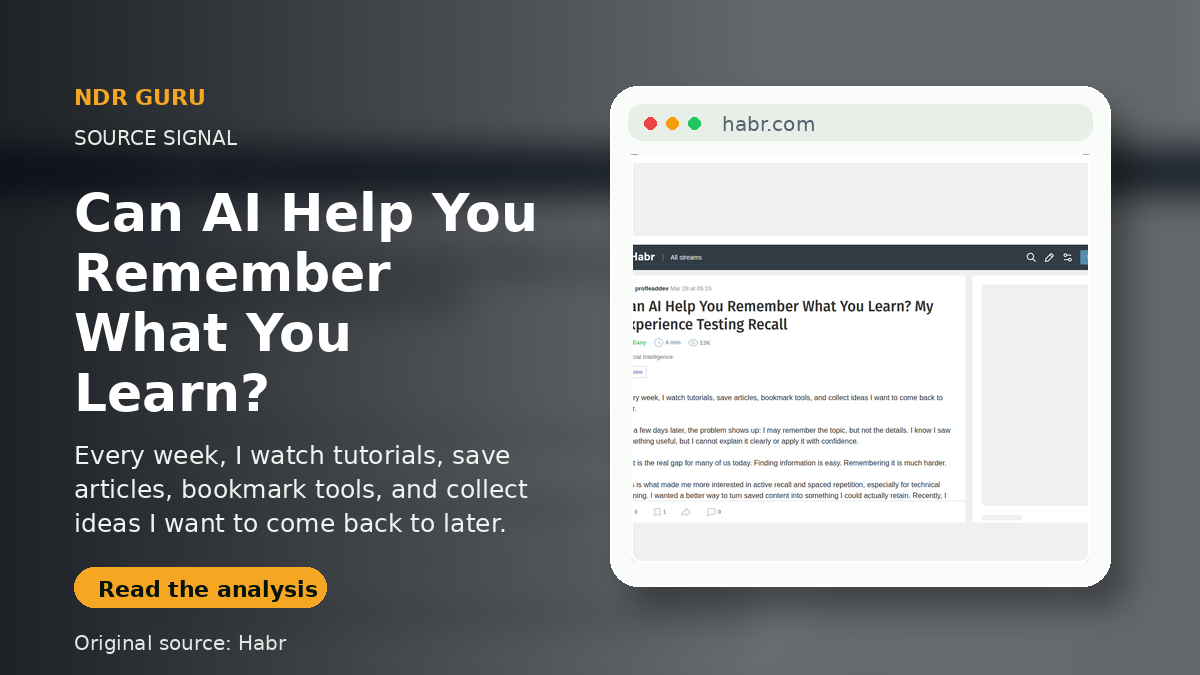
This is a firsthand test of Recall through the lens of remembering what you learn.
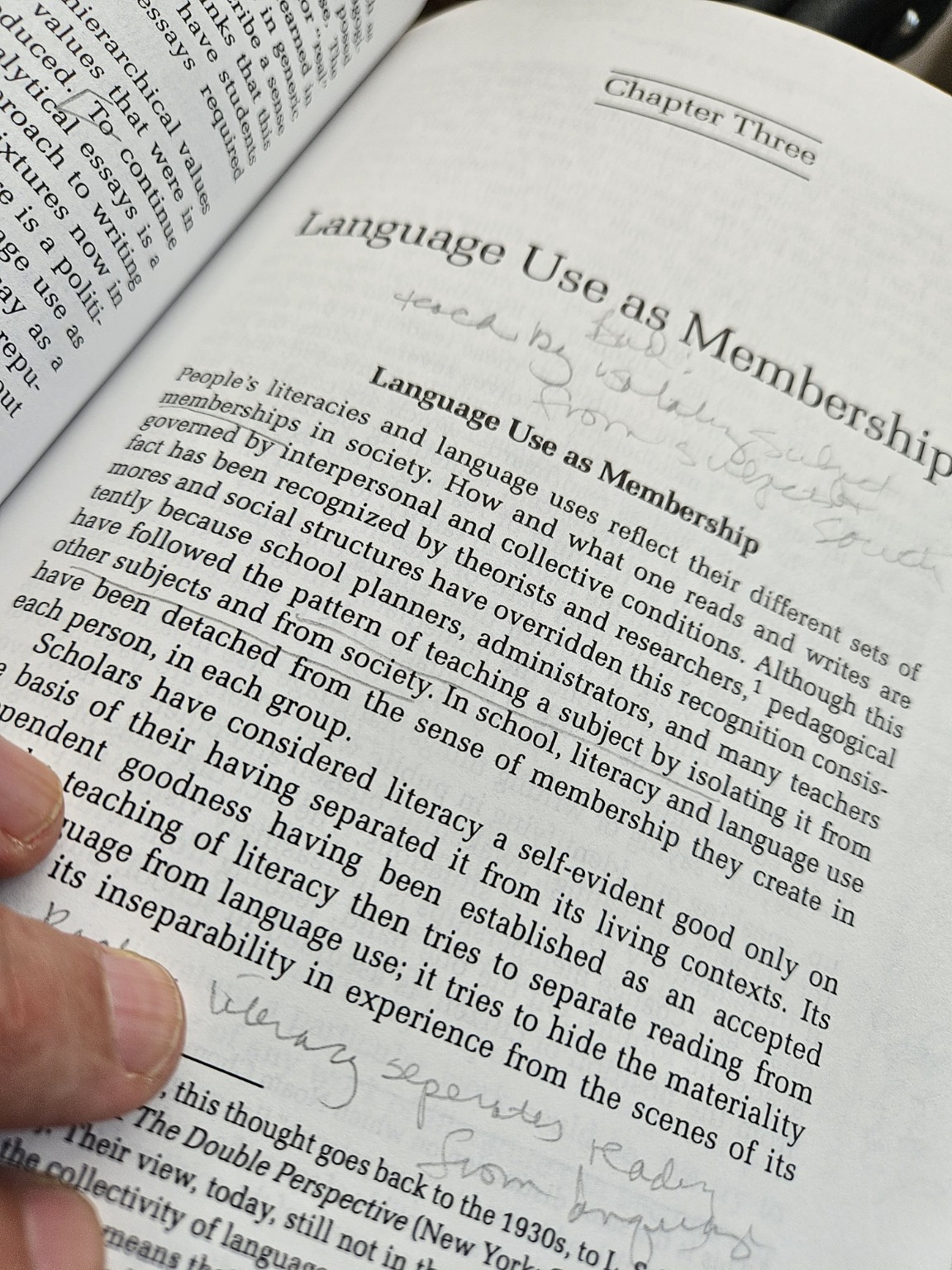
A second brain gets stronger when it can handle voice, handwriting, photos, and the messy ways real thinking happens.
Why AI wearables are less interesting as gadgets and more interesting as a test of whether personal AI can help people remember, retrieve, and act.
How to split the work between human judgment and AI assistance so your Second Brain supports thinking instead of outsourcing it.
Why capturing more is rarely the answer, and how retrieval should shape what you save in the first place.
Why the next Second Brain will not just store and retrieve, but research, compare, remind, and think beside you.
Why ownership, inspectability, and controlled connectors matter more as Second Brains become active AI-powered systems.